Silicone Breast Form Beginner’s Guide 2026 – Everything You Need to Get Started

Introduction to Silicone Breast Forms for Beginners
For individuals new to silicone breast forms, the process of selecting, using, and maintaining these prosthetic devices can be overwhelming due to the lack of accessible, evidence-based guidance. This beginner’s guide is designed to provide a systematic overview of silicone breast forms, addressing core questions, key considerations, and practical tips to facilitate a smooth introduction for novice users. Silicone breast forms are medical-grade prosthetic devices engineered to replicate the appearance, texture, and weight of natural breast tissue, serving diverse needs—including post-mastectomy recovery, silhouette enhancement, and gender-affirming care. This guide focuses on demystifying silicone breast forms for beginners, covering foundational knowledge, usage protocols, and common pitfalls to avoid, ensuring new users can approach these devices with confidence.
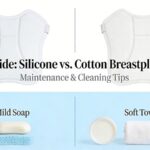
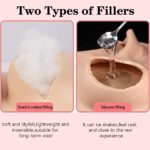
The first step for beginners is to establish a clear understanding of what silicone breast forms are and their core functions. Unlike foam padding or cotton breastplates, silicone breast forms are fabricated from medical-grade, skin-compatible silicone, which delivers superior realism and comfort. Their design prioritizes natural appearance and fit, with variations in size, shape, and wear style to accommodate different body types and user needs. For beginners, it is critical to distinguish between silicone breast forms and other padding alternatives, as the former requires specific care and usage practices to maximize comfort and longevity.
Key Considerations for Beginners Choosing a Silicone Breast Form
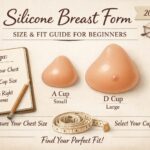
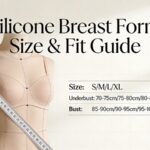
Selecting the right silicone breast form is a critical first step for beginners, as improper selection can lead to discomfort, unnatural appearance, and reduced confidence. Three core factors must be prioritized: size, shape, and wear style. Size selection should be based on the user’s natural chest dimensions or desired enhancement, with reference to brand-specific size guides to ensure a proportional fit. Beginners are advised to avoid overly large sizes, as these can cause discomfort and an unnatural silhouette. Shape selection is equally important: teardrop-shaped silicone breast forms offer a more natural appearance, while round shapes provide enhanced volume, making them suitable for users seeking a more pronounced contour.
Wear style is another key consideration for beginners, with two primary options: adhesive silicone breast forms and pocket bra-compatible silicone breast forms. Adhesive models adhere directly to the skin, making them suitable for strapless or low-neck garments, but they require careful application and maintenance to ensure secure placement. Pocket bra-compatible models, by contrast, are inserted into a specialized bra with integrated pockets, offering ease of use and stability—making them ideal for beginners who prioritize simplicity and daily comfort. For most new users, pocket bra-compatible models are recommended as a starting point, as they minimize the learning curve associated with adhesive application.
How to Use a Silicone Breast Form: Step-by-Step for Beginners
Proper usage is essential for beginners to ensure comfort, security, and a natural appearance. For pocket bra-compatible silicone breast forms, the process is straightforward: first, select a well-fitted pocket bra that provides adequate support. Insert the silicone breast form into the bra’s pocket, ensuring it is positioned evenly to avoid displacement. Adjust the bra to ensure the breast form sits naturally, aligning with the user’s body contour. For adhesive silicone breast forms, additional steps are required: clean and dry the chest area thoroughly to remove oils and moisture, as this ensures the adhesive adheres securely. Peel the protective film from the adhesive surface, position the breast form evenly, and press gently to secure it in place. Beginners should practice application several times to familiarize themselves with the process, ensuring a secure fit that does not shift during movement.
Common Mistakes Beginners Make with Silicone Breast Forms
Novice users often encounter avoidable mistakes that compromise the comfort and functionality of silicone breast forms. One common error is selecting an incorrect size, either too large or too small, which leads to discomfort and an unnatural appearance. Another frequent mistake is neglecting proper cleaning and maintenance, which can degrade the silicone material over time. Beginners may also fail to prepare the skin properly for adhesive models, leading to poor adhesion and frequent shifting. Additionally, many new users rush the application process, resulting in misalignment and an unrealistic silhouette. By being aware of these mistakes, beginners can take proactive steps to avoid them, ensuring a positive experience with their silicone breast forms.
Final Tips for Beginners Using Silicone Breast Forms
For beginners, patience and practice are key to mastering the use of silicone breast forms. It is recommended to start with short wear durations, gradually increasing the time as comfort levels improve. Regular cleaning and maintenance, as outlined in subsequent guides, will extend the lifespan of the device and preserve its realism. Beginners should also seek feedback from experienced users or consult manufacturer guidelines if they encounter challenges. Ultimately, the goal of using a silicone breast form is to enhance comfort and confidence, and with the right knowledge and practice, new users can achieve a natural, seamless appearance that aligns with their needs and preferences. This guide serves as a foundational resource, with additional resources available to address more specific questions as users gain experience.