Silicone Breast Form Care & Maintenance Guide 2026 – Extend Its Lifespan

The Importance of Silicone Breast Form Care & Maintenance
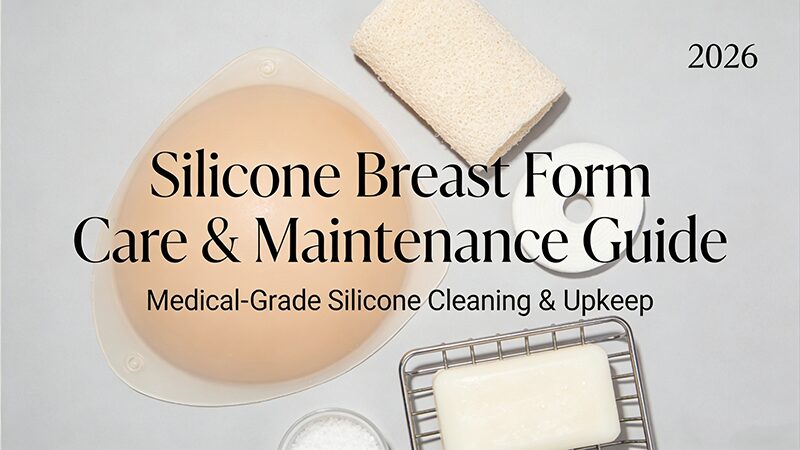
High-quality silicone breast forms are precision-engineered prosthetic devices that require systematic care and maintenance to preserve their functional and aesthetic properties. Medical-grade silicone, the primary material used in these devices, is delicate and susceptible to degradation from harsh chemicals, extreme temperatures, and improper handling. This guide outlines evidence-based care and maintenance protocols, designed to extend the lifespan of silicone breast forms, maintain their realism, and ensure consistent comfort for users. Whether for novice or experienced users, adherence to these protocols is critical to maximizing the value of the device and avoiding premature replacement.
The consequences of inadequate care are significant: silicone breast forms may become stiff, discolored, cracked, or adhesive, compromising their realism and comfort. In contrast, proper maintenance can extend the service life of high-quality silicone breast forms to 8–12 months or longer with regular use. The maintenance process is straightforward, requiring minimal time and effort, and yields long-term benefits—including cost savings and consistent access to a reliable prosthetic solution. This guide breaks down the maintenance process into actionable steps, covering cleaning, drying, storage, and common pitfalls to avoid.
Step 1: Post-Wear Cleaning Protocol for Silicone Breast Forms
Cleaning is the foundational step in silicone breast form maintenance and should be performed after each use, particularly following extended wear or perspiration. The cleaning process begins with preparing a solution of cool to lukewarm water and mild, fragrance-free soap—hot water is strictly prohibited, as it can degrade the silicone structure and cause shape distortion. Harsh cleaning agents, including alcohol, bleach, scented soaps, and abrasive cleaners, are incompatible with silicone, as they break down the material and may cause skin irritation.
The silicone breast form should be gently submerged in the soapy solution, with manual lathering using clean hands to remove sweat, oils, and debris. Abrasive tools such as sponges, brushes, or scrubbers are forbidden, as they can scratch the silicone surface and compromise its skin-like texture. Special attention should be directed to edges, crevices, and adhesive surfaces (for adhesive models), which are prone to debris accumulation. Following lathering, the breast form must be thoroughly rinsed with cool water to remove all soap residue—residual soap can induce adhesiveness and skin irritation.
Step 2: Proper Drying Techniques for Silicone Breast Forms
Residual moisture is a leading cause of mold growth and silicone degradation, making proper drying essential. After cleaning, the breast form should be patted dry with a soft, lint-free towel—twisting or wringing is strictly prohibited, as these actions can distort the device’s shape. The breast form should then be placed in a cool, shaded area for complete air drying. Heat sources, including hair dryers, heaters, and direct sunlight, are detrimental to silicone, as they can cause material softening, discoloration, or stiffening.
The drying duration varies based on environmental humidity, typically ranging from 1–2 hours. It is critical to ensure the breast form is fully dry before storage, as even minimal moisture can lead to mold growth or adhesive degradation. For adhesive silicone breast forms, a thin layer of baby powder may be applied to the adhesive surface post-drying to maintain non-adhesiveness and facilitate future use.
Step 3: Secure Storage for Silicone Breast Forms
Proper storage is essential to prevent physical damage, shape distortion, and material degradation. Once fully dried, the silicone breast form should be placed in a soft, breathable container—such as a cotton or satin bag—to protect against dust, scratches, and friction. Plastic bags are incompatible with silicone storage, as they trap moisture and can induce material adhesiveness over time.
The breast form should be stored flat in a cool, dry drawer or cabinet, with no folding, compression, or stacking of heavy items. Folding or compressing the device can permanently distort its shape, rendering it unusable. For users with multiple silicone breast forms, separate storage is recommended to prevent surface scratching caused by friction between devices. Additionally, storage areas should be free from extreme temperatures and direct sunlight, as these factors can degrade the silicone material over time.
Common Maintenance Mistakes to Avoid
To maximize the lifespan of silicone breast forms, several common maintenance mistakes must be avoided. These include using hot water or harsh cleaning agents, which degrade the silicone structure; abrasive scrubbing, which damages the skin-like surface; heat-based drying methods, which cause discoloration and stiffening; storing damp devices, which promotes mold growth; and folding or compressing the device, which distorts its shape. Additionally, using harsh adhesive removers on adhesive models can damage the silicone surface and compromise adhesive functionality. By adhering to the protocols outlined in this guide, users can avoid these pitfalls and maintain their silicone breast forms in optimal condition.